


Raised Uric Acid
Raised uric acid levels, also known as hyperuricemia, occur when there is an excess of uric acid in the blood. Uric acid is a waste product formed from the breakdown of purines, which are substances found in many foods and drinks.
Causes of Raised Uric Acid
– Diet: High intake of purine-rich foods like red meat, organ meats, and seafood.
– Alcohol: Especially beer and spirits, which can increase uric acid production.
– Obesity: Increased body weight can lead to higher uric acid levels.
– Genetics: Family history can play a role in uric acid levels.
– Medical Conditions: Conditions like kidney disease, diabetes, and certain types of anemia can affect uric acid levels.
– Medications: Some diuretics and medications for hypertension can increase uric acid levels.
Symptoms
– Gout: A form of arthritis characterized by sudden, severe attacks of pain, redness, and swelling in joints, often the big toe.
– Kidney Stones: Uric acid can crystallize in the kidneys, forming stones.
– Tophi: Deposits of uric acid crystals under the skin, often in chronic cases.
Management and Treatment
– Dietary Changes: Reducing intake of purine-rich foods and alcohol.
– Hydration: Drinking plenty of water to help flush uric acid from the body.
– Medication: Drugs like allopurinol or febuxostat can help reduce uric acid levels.
– Weight Management: Maintaining a healthy weight to reduce strain on the body and lower uric acid levels.
Prevention
– Balanced Diet: Focus on fruits, vegetables, whole grains, and low-fat dairy.
– Regular Exercise: Helps maintain a healthy weight and reduce uric acid levels.
– Limit Alcohol: Especially beer and hard liquor.
Please book for a consultation with us or seek the advice of your physician or other qualified health professionals with any questions you may have regarding a medical condition. For further guidance, please read our Disclaimer – Medical Information
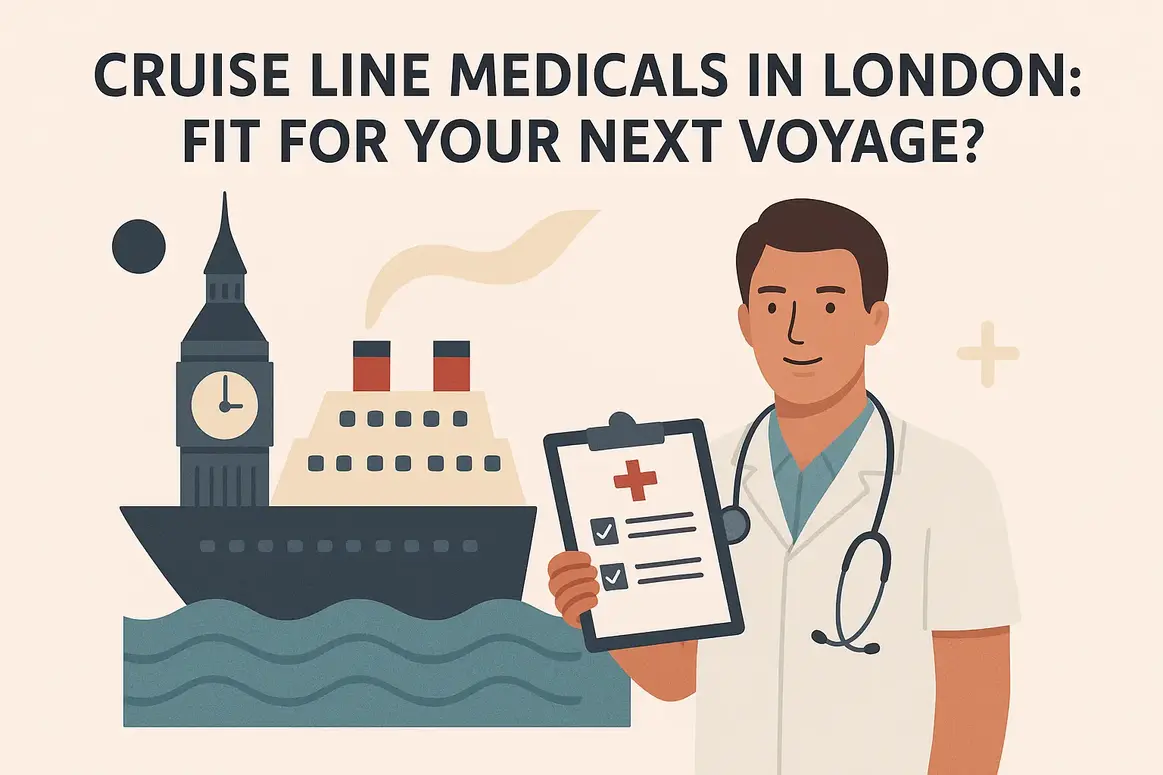
Cruise Line Medicals in London: Fit for Your Next Voyage?
Your Pre-Cruise Health Check Prep How exciting is setting off on a cruise or starting a new role offshore? There’s much to plan, from itineraries to packing. One crucial element that’s often a requirement is getting a specialised medical examination. If you’re looking for a cruise line medical London-based service or need information about offshore […]
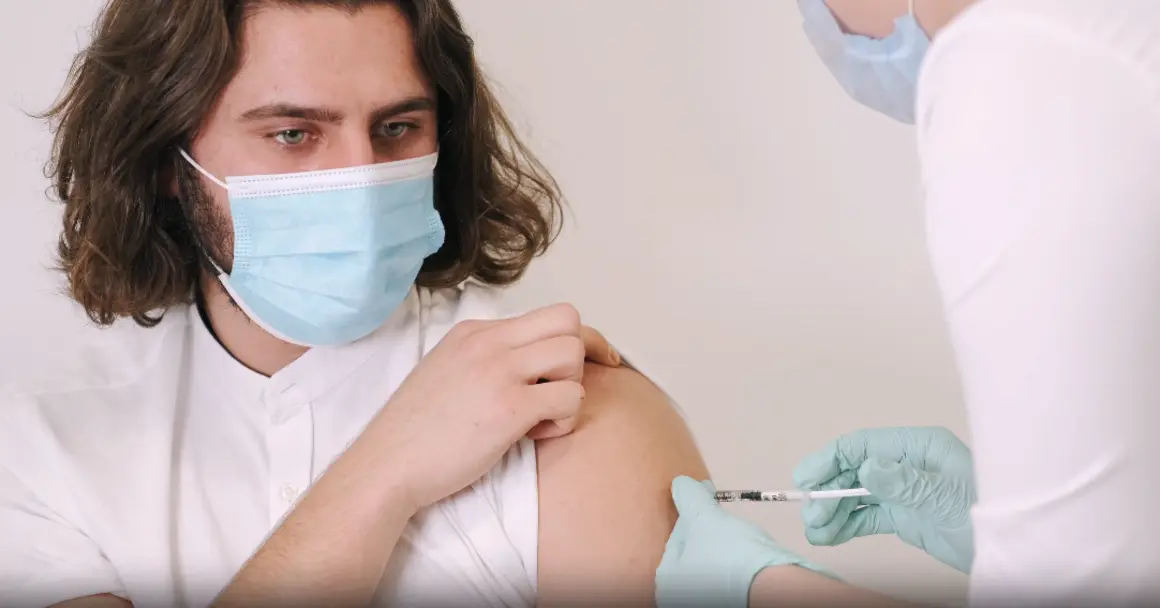
Get a Flu Vaccine near Harley Street: Shield Up This Season.
Protect Yourself and Your Loved Ones From Seasonal Flu As the leaves start to turn and the air gets a little crisper, another, less welcome, guest often plans its arrival: the seasonal flu. While many of us might wave it off as “just a bad cold,” influenza can be quite serious, leading to unpleasant illness […]
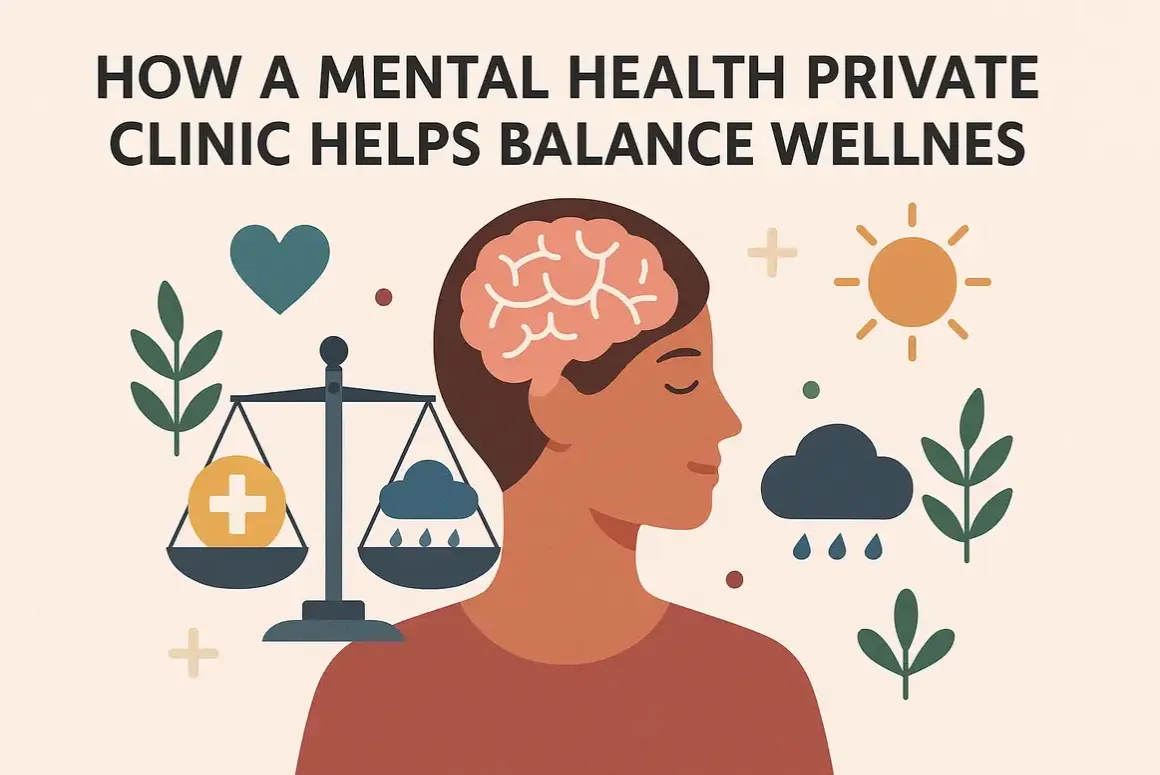
How a Mental Health Private Clinic Helps Balance Wellness
Finding the Right Support for Your Well-Being Your mental health isn’t some background hum. It’s the vibrant core of how you experience life, shaping your thoughts, feelings, and how you connect with the world each day. If you want to live a more fulfilling, happier, and more resilient life, looking after your mental well-being is […]

Need a Private Doctor in London? How About a Home Visit
Quality Medical Support Brought Directly to Your Residence For some of us, getting to a doctor’s clinic or other medical facilities is difficult. This is especially true if you’re managing an ongoing health concern, have mobility challenges, are older, or are caring for someone who is. Sometimes, just the thought of travelling to the needed […]