More Information on Spirometry
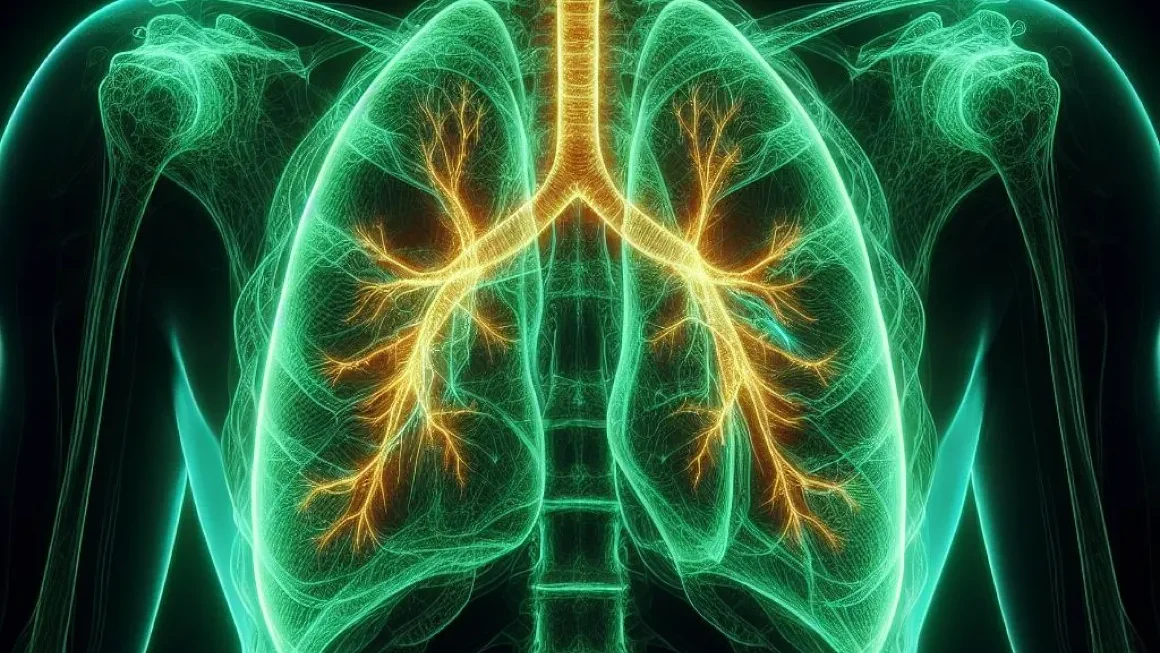
Spirometry (Lung function test) is a standard test that doctors use to determine how well your lungs are functioning. A spirometry evaluates how much air the lungs can hold, how quickly can the air move in and out of the lungs, and how well the lungs add oxygen to the blood and remove carbon-dioxide.
This is a straight-forward medical test performed if a doctor suspects a disease or disorder is suspected, such as chronic obstructive pulmonary disorder (COPD) or asthma. It measures the severity of lung problems that prevent normal breathing.
The test doesn’t take long, and can usually be performed during a quick 15-minute consultation. The GP will then be able to interpret and explain the Spirometer readings, and provide all relevant medical advice.
It is a necessary assessment for those working in environments with regular exposure to dust, chemicals, or other respiratory hazards.
To take a spirometry test, you sit and breathe into a small machine called a spirometer.
How to prepare for a spirometry test
Before a spirometry test, you can do several things to ensure you can breathe comfortably and receive an accurate result, such as:
- Wearing loose clothing
- Avoiding smoking, if applicable
- Avoiding eating or drinking immediately beforehand
- Limiting physical effort or exercise
- Limiting the use of medications that affect lung function, such as inhalers
Spirometry procedure
A spirometry test typically happens in our clinic or probably in your workplace.
Here’s what happens during a spirometry procedure:
- You’ll sit in a chair or may be asked to stand. The doctor or a nurse will place a clip on your nose to keep both nostrils closed.
- Your doctor or nurse will then instruct you to take a deep breath in, hold your breath for a few seconds, and then exhale as hard as you can into the device.
- You’ll repeat this test at least three times to ensure consistent results.
If you have evidence of a breathing disorder, your doctor might give you an inhaled medication called a bronchodilator to open up your lungs after the first round of tests.
They’ll often ask you to wait 15 minutes before taking another set of measurements. Afterward, your doctor will compare the results of the measurements to see whether the bronchodilator helped increase your airflow.
Spirometry side effects
Few complications typically occur during or after a spirometry test. Yet you may want to be aware of some possible effects.
You may feel dizzy or have some shortness of breath just after performing the test. In this case, tell your doctor immediately. In very rare cases, the test may trigger severe breathing problems.
When you do this test, it will increase the pressure in your head, chest, stomach, and eyes as you breathe out. So, it may be unsafe if you have heart problems or hypertension or if you’ve had surgery on your chest, abdomen, head, or eyes. If you are concerned, please discuss with the clinician before proceeding with the test.
Risks after a spirometry test
A spirometry test itself has few risks, but there is a minor risk of infection. This may occur due to contamination of the spirometer tubing and mouthpieces if they are not disinfected properly.
The European Respiratory Society have official technical standards for conducting spirometry. These include disinfection guidelines and recommend disposable mouthpieces with filters to avoid spreading infections.
Spirometry “normal” values and how to read your test results
“Normal” results for a spirometry test vary from person to person. They’re based on your:
- Age
- Height
- Race
- Sex
Your doctor calculates your predicted “normal” value before you do the test. Once you’ve done the test, they look at your test score and compare it with the predicted score. It is typically reported that a score of 80% or more of this predicated value indicates typical lung function.
Spirometry measures two key factors: expiratory forced vital capacity (FVC) and forced expiratory volume in one second (FEV1). Your doctor also looks at these as a combined number known as the FEV1/FVC ratio.
If you have obstructed airways, the amount of air you can blow out of your lungs quickly will be reduced. This translates to a lower FEV1 and FEV1/FVC ratio.
FVC measurement
One of the primary spirometry measurements is FVC, the greatest total amount of air you can forcefully breathe out after breathing in as deeply as possible.
If your FVC is lower than expected, something is restricting your breathing.
An “abnormal” FVC could be due to restrictive or obstructive lung disease. You could have an obstructive or restrictive lung disease by itself, but it’s also possible to have a mixture of these two types at the same time.
Different spirometry measurements are required to determine which type of lung disease is present.
FEV1 measurement
The second key spirometry measurement is FEV1. This is the maximum air you can force out of your lungs in 1 second.
This measurement can help your doctor evaluate how severe your breathing issues are. An FEV1 reading that’s lower than expected shows you might have a significant breathing obstruction.
Your doctor will use your FEV1 measurement to grade how severe any breathing concerns are.
FEV1/FVC ratio
Doctors often analyse the FVC and FEV1 separately, then calculate your FEV1/FVC ratio. The FEV1/FVC ratio is a number that represents the percentage of your lung capacity you’re able to exhale in 1 second.
In the absence of restrictive lung disease that affects FEV1/FVC ratio, the higher the percentage a doctor calculates from your FEV1/FVC ratio, the healthier your lungs are.
A low ratio suggests that something is blocking your airways
Next steps
If your doctor finds that your results fall into the “abnormal” category, they’ll likely perform other tests to determine whether a breathing disorder causes impaired breathing. These could include chest X-rays and blood tests.
The primary lung conditions that will cause unexpected spirometry results include obstructive diseases, such as asthma and COPD, and restrictive diseases, such as interstitial pulmonary fibrosis.
Your doctor may also screen for commonly occurring conditions with breathing disorders that can worsen your symptoms. These include heartburn, hay fever, and sinusitis.